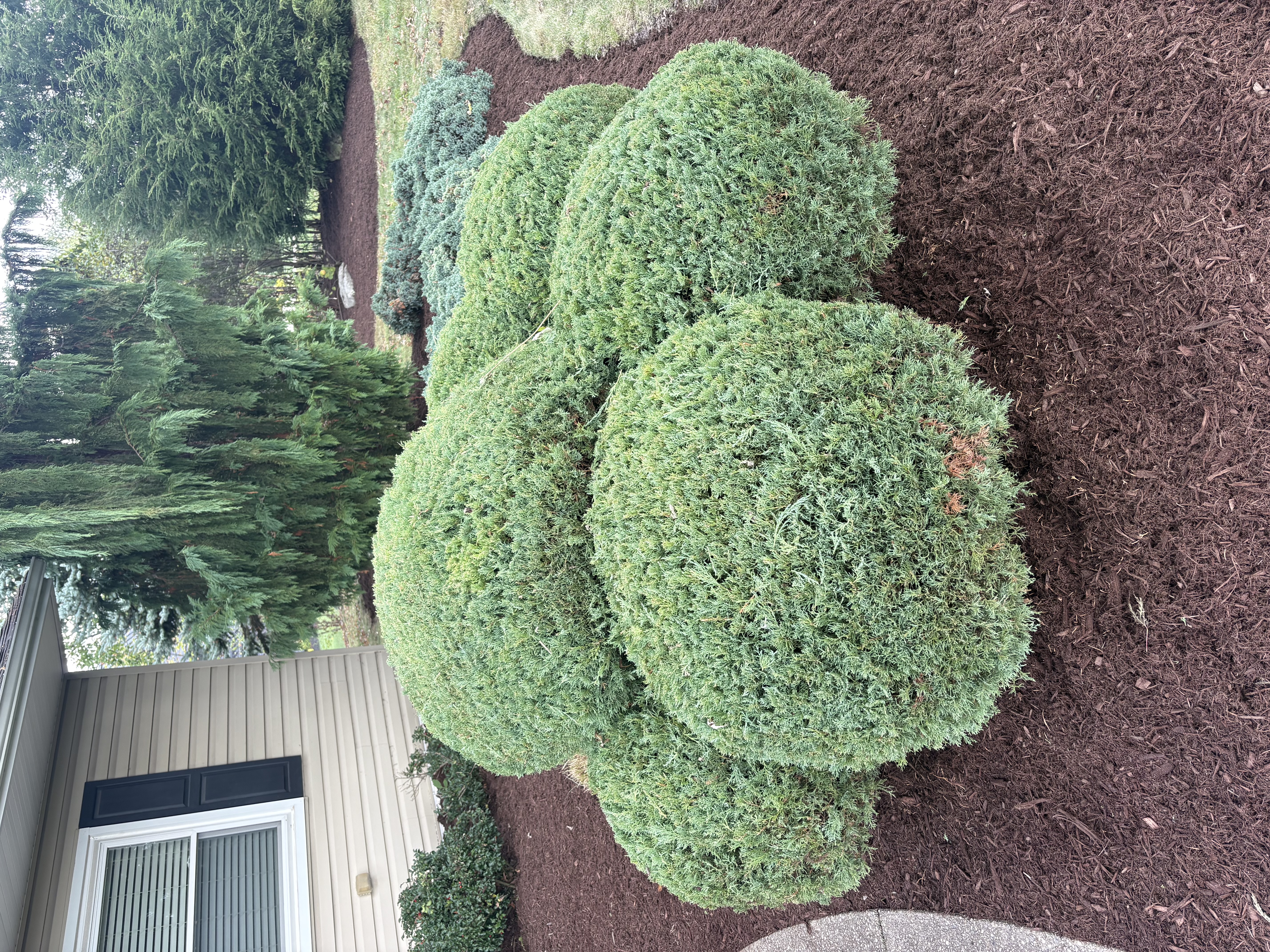
The Art of Minimalist Landscaping: Achieving Simplicity and Elegance in Your Outdoor Space Jun 12, 2026
The essence of minimalist landscaping lies in creating a clean and uncluttered space that exudes peace and harmony. Unlike traditional landscaping, which might rely heavily on a variety of plants and elaborate decorations, minimalist landscaping focuses on simplicity and intentionality. The goal is to highlight the beauty of each element in your garden, where less truly becomes more.
A critical component of minimalist landscaping is the strategic use of space and structure. Begin by assessing your current landscape and identifying areas that can be de-cluttered. Removing unnecessary elements is the first step in embracing minimalism. This approach allows each plant, path, or feature to stand out and contributes to a serene and organized feel.
Incorporating hardscaping can enhance the minimalist effect. Think of clean lines and geometric shapes when designing pathways, patios, or stone features. Concrete, wood, and stone are excellent materials that complement the minimalist theme. Their natural textures and tones provide a stark contrast to the verdant elements of your garden, creating visual interest without overwhelming the senses.
Plant selection plays a pivotal role in minimalist landscaping. Opt for a limited palette of plants, focusing on species that offer year-round interest and require minimal maintenance. Consider using ornamental grasses or structurally interesting succulents to add texture. A single species planted en masse can create a powerful visual statement while simplifying upkeep efforts.
When it comes to colors, a minimalist landscape typically favors neutral tones and an abundance of greenery. This doesn't mean your garden needs to be devoid of color. Instead, use colorful plants sparingly to provide a striking contrast against the subdued backdrop, drawing attention to specific focal points in your landscape.
Lighting is another aspect that should not be overlooked. Thoughtful outdoor lighting can highlight your minimalist design even after the sun sets. Choose fixtures with simple designs and use them to accentuate pathways, architectural features, or particularly attractive plants. Subtle lighting not only enhances safety but also adds an additional layer of elegance to your outdoor space.
Sustainability should also be considered when planning minimalist landscaping. Using drought-resistant plants and efficient irrigation systems can reduce water consumption. Additionally, incorporating native plants not only supports local biodiversity but also ensures that your landscape thrives with minimal intervention.
The journey to achieving a beautiful minimalist landscape is as rewarding as the final result. Invest time in understanding your space and the natural elements present. Consult with a professional, like the team at Cam Yardz, who can provide expert advice and services to bring your minimalist vision to life.
As you embrace minimalist landscaping, you'll find joy in the beauty of simplicity. You'll create not just a garden, but a personal sanctuary that provides peace and relaxation. Remember, the art of landscaping is about creating harmony between nature and design, an art form that Cam Yardz is well-equipped to help you master.
/filters:no_upscale()/filters:format(webp)/media/c20fd57f-7a63-4e81-9167-eb2f3ade5ef9.jpeg)