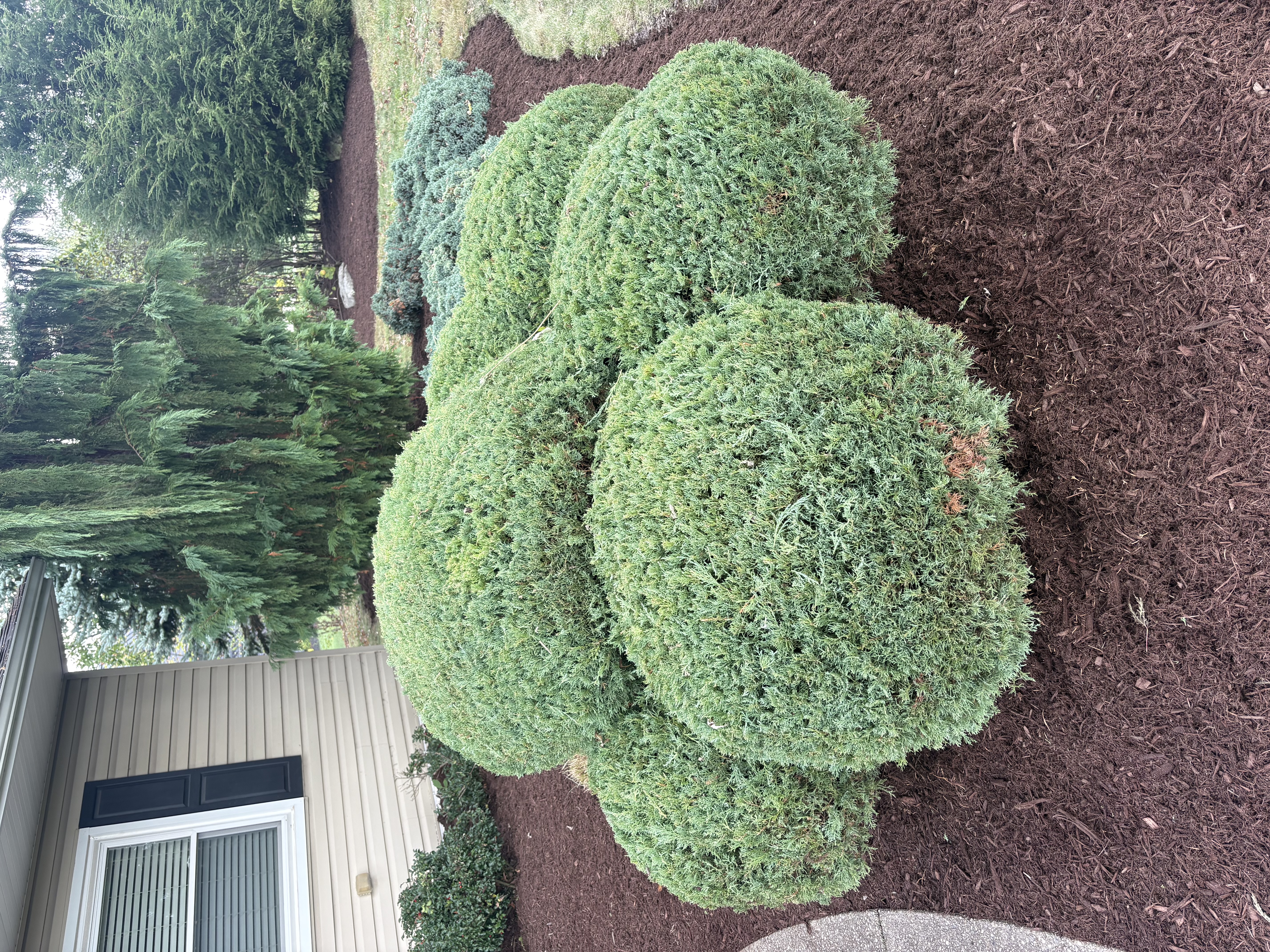
Essentials of Xeriscaping: Beautiful Solutions for Water-Saving Yards Jan 26, 2026
Xeriscaping, derived from the Greek word "xeros," meaning dry, is a landscaping method designed for water conservation. This approach becomes particularly valuable in regions facing drought or those with naturally arid conditions. The first step in implementing xeriscaping is to plan and design. It involves selecting plant species that are native or well-adapted to low-water conditions. By incorporating local flora, you not only make your yard more resilient to climate fluctuations but also attract beneficial local wildlife.
Another crucial aspect of xeriscaping is soil improvement. Most plants thrive in well-drained soil with adequate organic matter. By enhancing the soil’s ability to retain moisture, less frequent watering is needed. One effective technique is to integrate compost which improves soil texture and provides essential nutrients. Mulching is another recommended practice that helps keep the soil cool, reduces evaporation, and prevents weed growth, all important factors in creating a sustainable landscape with minimal water requirements.
The strategic placement of plants is another consideration in xeriscaping. Grouping plants with similar watering needs together, a technique known as hydrozoning, ensures that each plant receives the appropriate amount of water without wastage. By positioning drought-tolerant plants in areas that receive full sunlight and those that need more moisture in shaded spots, you optimize water usage across your landscape.
Efficient irrigation systems are integral to successful xeriscaping. Traditional sprinkler systems often lead to overwatering and wastage. Instead, opt for drip irrigation systems that deliver water directly to the plant's roots, minimizing loss through evaporation. This system can be tailored to your garden’s specific layout, ensuring water is used judiciously.
Moreover, incorporating elements such as rock gardens, dry river beds, or decorative stones can add texture and variety to your landscape without increasing maintenance needs. These hardscape features enhance the visual appeal and provide an attractive contrast to plant-based areas.
Maintenance in a xeriscape garden is relatively straightforward once the initial setup is complete. Regularly check for weeds, as they can compete with your plants for water and nutrients, and prune as needed to maintain plant health and shape. While the initial transition to a xeriscaped yard may require some adjustment and investment, the long-term benefits are significant, both in terms of reduced water bills and time spent on upkeep.
In conclusion, xeriscaping provides a practical and beautiful solution for creating water-efficient landscapes that are both environmentally responsible and appealing. By adopting these essential practices, you can cultivate a thriving oasis that respects nature's resources. Cam Yardz is committed to guiding you through each step of this transformative process, ensuring your yard not only conserves water but also enhances curb appeal. Embracing xeriscaping in your landscaping endeavors is a commitment to sustainability and beauty—a choice that offers rewards for both nature and your home.
/filters:no_upscale()/filters:format(webp)/media/c20fd57f-7a63-4e81-9167-eb2f3ade5ef9.jpeg)