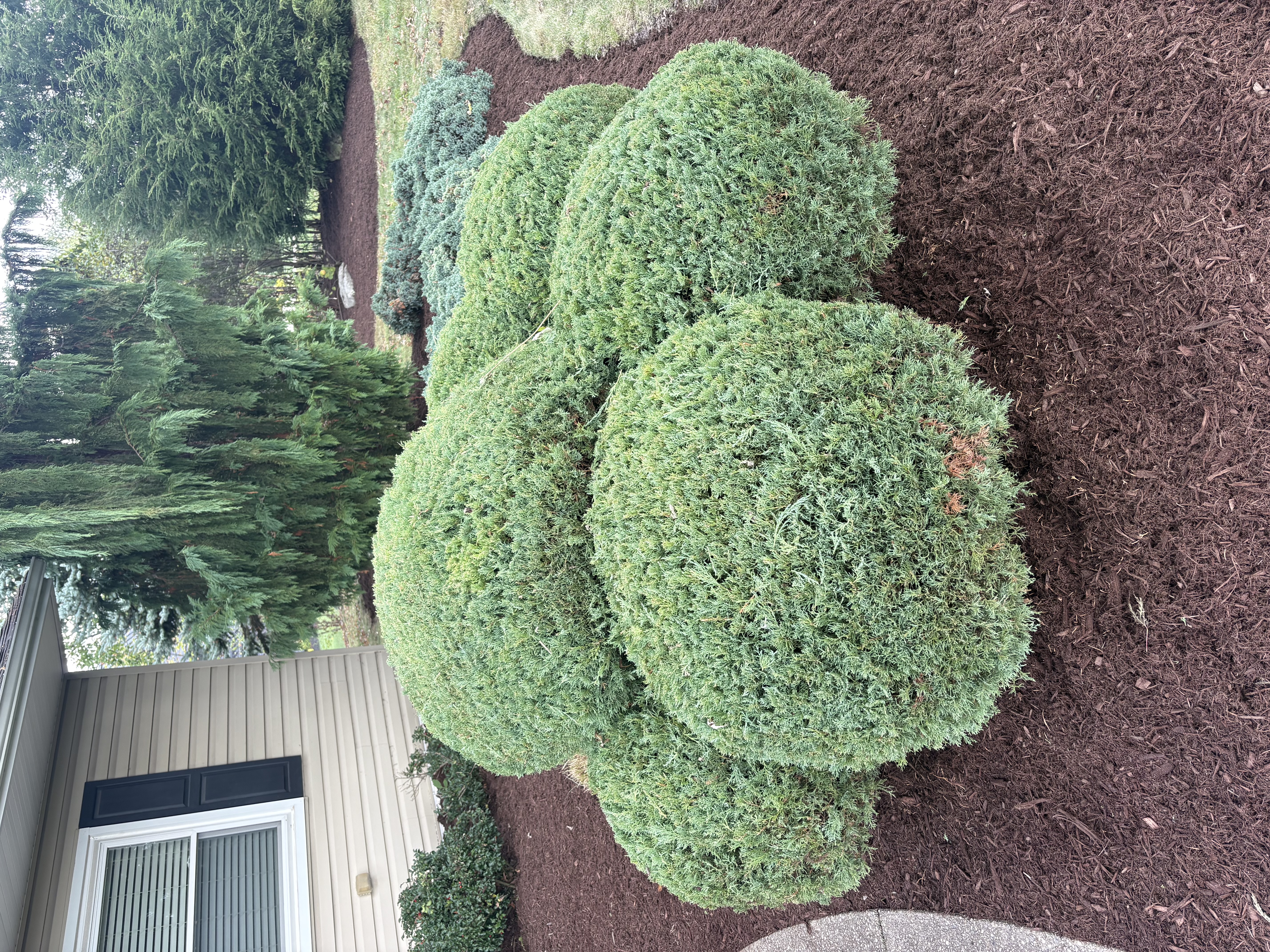
Creating Harmony: Integrating Native Plants into Your Landscape Design Feb 01, 2026
Native plants, by definition, are those that have naturally evolved in a particular region and are adapted to the local climate and soil conditions. One of the most compelling reasons to choose native plants is their ability to thrive with minimal intervention. By requiring less water, fertilizer, and maintenance, they not only reduce landscape management costs but also support local biodiversity.
Starting your landscaping journey with a clear plan is crucial. First, evaluate your garden's environmental conditions such as sunlight, soil type, and moisture levels. Native plants are well-suited to diverse conditions but selecting the right plant for the right spot can ensure their prosperity. For instance, if your property has shaded areas, consider ferns or woodland phlox that flourish in low-light environments.
When deciding which native plants to integrate, think about their role in your landscape. Trees not only provide structure and shade but also serve as habitats for birds and insects. Opt for varieties like red maple or oak, which are staples in many ecosystems. Shrubs and grasses, such as switchgrass or elderberry, offer texture and support while flowers like coneflowers and black-eyed Susans add vibrant colors and attract pollinators.
Incorporating native plants doesn't mean compromising on style or diversity. They can be blended into different landscape designs, whether you favor a wild, naturalistic garden or a more structured formal layout. Native plant landscapes are uniquely flexible and can be customized to suit individual preferences while maintaining ecological integrity.
Consider the impact of seasonal changes on your landscape. Native plants typically have life cycles that complement the local seasonal changes, providing year-round interest. Spring blooms bring early vibrancy, summer flowers sustain visual appeal and wildlife, while fall foliage provides stunning color shifts. This natural progression encourages a dynamic landscape that changes with the seasons.
Maintenance is another critical factor in landscape design. With native plants, maintenance tasks are significantly reduced. Seasonal mulching, occasional pruning, and periodic watering during extreme dry spells are typically sufficient to maintain a healthy native-plant garden. This ease of care makes native plants an excellent choice for those seeking sustainability without continuous upkeep.
In conclusion, integrating native plants into your landscape design not only enhances the aesthetic and practical value of your property, but it also plays a vital role in supporting local ecosystems. Embracing these plants fosters harmony between human activity and nature, promoting a future where both can thrive side by side. Cam Yardz encourages every homeowner to see the value of local flora and incorporate it into their landscape projects. By making informed choices, individuals contribute to preserving the environment and enjoying the resulting lush, sustainable landscapes.
Whether you're a seasoned gardener or new to landscaping, understanding and implementing native plants has never been more rewarding. For personalized advice or landscaping services tailored to your home, reach out to our team at Cam Yardz, where we're committed to beautifying and sustaining your outdoor spaces.
/filters:no_upscale()/filters:format(webp)/media/c20fd57f-7a63-4e81-9167-eb2f3ade5ef9.jpeg)